ingredients
- 1.5-2 cups water
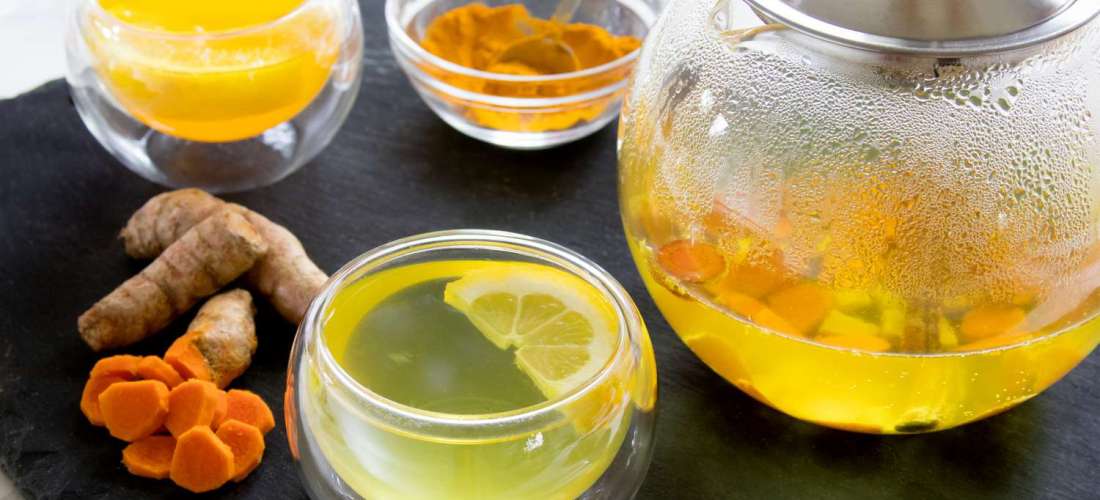
- 1 nub fresh turmeric, grated
- 1 thick slice lemon
- 1/2 tsp black pepper
- 1 tsp honey
instructions
- Boil the water, add the ingredients, let steep 5-10 min (may reheat after steeping).
notes
- Black Pepper: Black pepper contains piperine, which significantly enhances the absorption of curcumin (the magical turmeric ingredient) by up to 2000%. Including black pepper with turmeric, therefore, maximizes the health benefits you receive from the curcumin present in the turmeric.
- Lemon: Lemon is rich in vitamin C and antioxidants. Vitamin C can enhance iron absorption from other foods and strengthen the immune system. The acidity of lemon may also aid in preserving the antioxidants in turmeric when steeped in tea.
- Honey: Honey is a natural sweetener that brings its own set of health benefits, including anti-inflammatory and antibacterial properties (great for Strep!) and can soothe the throat.
- eat, don’t strain, the grated Turmeric: Consuming the actual grated turmeric root in your tea ensures you’re getting the full spectrum of nutrients, essential oils, and curcumin present in the root. It’s a more holistic approach than using turmeric powder alone, as some of the volatile oils and compounds can be lost during the drying and powdering process.
- Why fresh Turmeric?
A. Anti-inflammatory Properties: Curcumin is renowned for its potent anti-inflammatory effects, which can help in managing conditions associated with inflammation such as arthritis, certain digestive disorders, and possibly even neurodegenerative diseases.
B. Antioxidant Capacity: Raw turmeric contains antioxidants that can neutralize free radicals, molecules that can cause oxidative stress and damage to cells. This antioxidant action can help protect against chronic diseases, including heart disease, cancer, and Alzheimer’s disease.
C. Immune System Support: The compounds in turmeric, including curcumin, have been shown to support the immune system. Its anti-inflammatory, antibacterial, and antiviral properties can help protect the body from various pathogens and diseases.
D. Digestive Health: Turmeric stimulates the gallbladder to produce bile, which can improve digestion and reduce symptoms of bloating and gas. Its anti-inflammatory properties can also benefit individuals with digestive issues like inflammatory bowel disease (IBD) and irritable bowel syndrome (IBS).
E. Wound Healing and Skin Health: Applied topically in paste form or consumed orally, turmeric can help in wound healing due to its anti-inflammatory and antimicrobial properties. It also benefits the skin by potentially reducing acne, scarring, and inflammation.
F. Detoxification: Turmeric supports liver function and detoxification pathways. The curcumin in turmeric can help increase the production of vital enzymes that detoxify our blood in the liver by breaking down and reducing toxins.
G. Nutritional Content: Beyond curcumin, raw turmeric is also a source of vitamins (such as vitamin C and B vitamins), minerals (including iron, potassium, and calcium), and dietary fiber. These contribute to overall health and help in the proper functioning of the body.

 Black Fam Eats